Here's another selection of musical offerings from the last seven days and I think I have something for everyone with the diverse range of music that has fallen upon my ears this week. Want some jangly lyrical indie rock? Got ya covered. Electro pop? Got that too. Hip Hop? Noise? Warped electronica? Ch-ch-check it out...
Friday, 15 November 2013
Sunday, 10 November 2013
This Week's New Music feat. Kurt Vile, Dum Dum Girls, Darkstar and more...
I'm back once more for another round up of music from the previous seven days. This week I've brought you some dream pop, hip hop and surf rock as well as some hard to define electronica amongst my eclectic selection. Let's get straight to it...
Album Review:Midlake – Antiphon
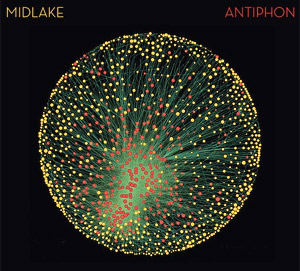
(Bella Union)
After failing to
think of many bands who continued to release worthwhile music after
the departure of their lead singer, I was hesitant to approach the
new album by Midlake. Whilst a band should be a sum of all its
members, the singer holds this charismatic weight at the centre and
without it it can be a shell of it's former self. Midlake found
themselves in this unenviable position when front man Tim Smith left
the band last year but, despite the departure, the Texan rock group
might prove themselves to be an exception to the rule with their new
album Antiphon.
On the groups fourth
album and first with the altered line-up, guitarist Eric Pulido steps
up as front man and does so with ease, as well as bringing in two new
members to fill in on guitar and bring in a greater variety of
instruments to the mix. The Texas band often look across the Atlantic
for inspiration, taking in the gentler side of classic rock, folk and
early progressive rock.
Antiphon opens
with the title track, and Pulido steps up right away with his voice,
that has a soft edge that conceals the discord breaking out within
his lyrics as he repeats 'Fight a war'.
The track builds slowly held together, and as is the case with much
of the album, with some melodic bass playing and restless drumming
whilst staccato guitar chords strike. Ages shows the band's
musical prowess as they steadily unravel a tale then in track's final
minute the song reaches a peak with the crashing drums and guitars
roll in like a storm at sea. Corruption tells a Grandaddy-style
science fiction story of space travel, opening with the line 'We
went to the moon with oil tycoons'. Despite the outlandish
subject, Pulido's voice manages to have a down to earth qualities
that holds it together, especially its lush, floating instrumental
break at its centre as a piano line guides the skittish jazz
drumming.
The instrumental
track Vale feels a bit unfocused at the centre of the album, still
the band seem to be having fun making a surprisingly noise-filled
racket around a descending bass line, bringing the distortion and a
little aggression that we haven't really seen from the group and it's
juxtaposed nicely with a quite lull of clean guitars and strings
before it kicks off. The band clearly took they're time playing with
different sounds through the making of this album, from the
synthesizers on Provider to the harpsichord on the Grizzly Bear-like
It's Going Down evoking a pastoral scene. Whilst the far ranging
number instruments used creates variety through the album, there are
a few moments, like with the flutes seem to risk falling into folk
cliché, but they avoid Jethro Tull comparisons.
Pulido doesn't have
the same weight to his voice as Tim Smith but still shows himself to
be a capable front man and the increased emphasise on well written
backing vocals really stand out. Together the band are able to create
a sense of a narrative journey wrought with drama in their song
writing. There is also a level of detail and subtleties in the
recording, from string flourishes to quiet electronics that show up
with repeated listens. Long time fans may be split about the line up
change, but the band sound as focused and cohesive as they ever have,
but also freer to experiment, try out new ideas and even if there are
the odd missteps along the way the end product is still in intriguing
listen. Antiphon shows that, despite the line up change,
Midlake are not to be written off just yet.
Originally posted on figure8magazine.co.uk
Sunday, 3 November 2013
Album Review:Los Campesinos! - No Blues
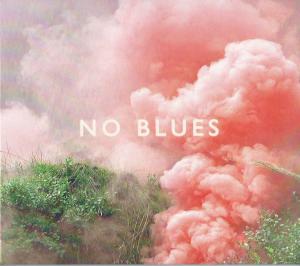
(Wichita)
It can be hard to
shake off a label once it gets tagged to you. Welsh band Los
Campesinos! Know this better than most, being grouped in with other
twee bands, . The group didn't do themselves any favours with
xylophone melodies and by giving their band name an exclamation mark.
Still, the twee label didn't seem to sit so well with them and their
albums following their debut seemed to be a reaction to it,
embracing darker themes and more varied sounds.
The band, who formed
in Cardiff, put out their first EP Sticking Fingers into Sockets
way back in 2007 and rode upon a wave of hype with their
ramshackle indie pop early tracks like We Throw Parties, You
Throw Knives and You! Me! Dancing displayed a sharp wit and humour in
singer Gareth Campesinos! which he combines with the emotional
weight, and confessional honesty of early emo. The band's fifth album
No Blues
carries the pressure of being the first without bassist and founding
member Ellen Campesinos!, but this album feels like it has a sharp
focus, as they bring some light back in to their sound.
What Death Leaves
Behind, the albums first single, also holds its biggest chorus, with
it's talk of tautology. But nothing is redundant here, with backing
vocals overlapping on the chorus its easy to get drawn in to the
grand melody. With a title that displays the word play that is a
standard for Los Campesinos!, Cemetery Gaits continues the pop
direction with its synthesizer arpeggios and acoustic strums. The
band are at their most direct and uplifting as Gareth sings
'Happenstance can wait for tomorrow/ cause you got to do it
right', his voice carrying a melodic weight to it that is a world
away from his coarse outbursts that made up his singing style when he
began in the band, at times coming close to a Morrisey-like baritone,
as he continues 'Your shoulders flow from neck like a wine
bottle's/ bare them broad tonight'. Its firm and resolute but
doesn't hide a sadness within the song tale of death and acceptance.
Avocado Baby somehow
manages to adopt the dangerous pop cliché of using a children’s
choir without it being in any way grating. Much of the album manages
to be bigger than before and whilst still sounding huge, the songs
have a variety of instruments and details you might not pick up on
first listen giving the recordings a depth. Elsewhere the distorted
guitar leads of As Lucerne/The Low remind you of their noisier
beginnings and the victorious build of The Time Before The Last Time
shows the can try their hand at different structures as the song
grows on the back of drum rolls and a triumphant horn section.
Selling Rope (Swan Dive To Estuary) might be the best song they've
done, with its huge scope, narrative intricacies and sweeping
orchestrations, their most definitive statement on facing life and
death head on.
Gareth's lyrics still
feel like emotional outpourings and it can sometimes be tiring just
keeping up with his manic delivery, still his words can be poured
over for double meanings and metaphor. He has a knack for unique and
articulate observations that you can't imagine being written by
anyone else. Of course, his heart on sleeve approach may be off
putting for some but just as many others will relish in picking them
apart. No Blues finds the band at their most confident, every
song seems direct and refined. The group are unafraid of simple,
upbeat songs with a verse chorus structure,
in fact they excel at
them. They've outlived and outgrown the twee label, now it is just
smart pop music, and not smart for its own sake either, just a mature
balance of light and dark and, more impressively, both thoughtful and
immediate.
Saturday, 2 November 2013
This Week's New Music feat. Warpaint, Mogwai, Mount Kimbie and more...
Where has this year gone? Writing up this article, I noticed how many of these tracks are from albums due out next year. Still, at this rate next year should be rather good with new albums from Mogwai and Warpaint out within it's first weeks alone. And let's not get too ahead of ourselves, there are still two months remaining and a whole load of releases you should keep an ear out for. So let's see what I've got here...
Friday, 1 November 2013
Album Review:White Denim – Corsicana Lemonade

Sometimes a band
comes along that reminds you of the simple joy of a straight forward
rock band. White Denim are that band, the kind that will make you
think that guitar solos shouldn't be a guilty pleasure, though to
call them a straight forward band is a disservice, even with their
use of offbeat melodies and the time signature changes of progressive
rock they manage to stick to three to four minute songs. The band
utilises twin guitar harmonies, rolling drum fills, big riffs and
bigger choruses. There are always a slew off young bands looking to
the era where rock music reigned, but many only serve to highlight
the genre's clichés, White Denim mostly manage to bypass this
pitfall, taking in more contemporary sounds and complex song writing.
You can hear elements of other acts, with Portugal. The Man's
streamlined math-rock and Tame Impala's psychedelic leaning pop
experiments. White Denim's fifth album Corsicana Lemonade sees
them continue the path they’ve followed with their last releases,
but here there's a real sense of a band being comfortable and assured
in their sound and capabilities.
At Night In Dreams
wastes no time before laying down the album's first great riff,
before jumping right into a verse that Marc Bolan would be proud of.
The song is held together by some impressive drum playing that leads
to some seamless changes between rhythms mid way through before the
group indulge in a quick solo. The title track feels a little bit
light by comparison with its almost country leaning guitar lines,
though its laid back groove oozes cool it doesn't bring the same urge
to head bang like a loon.
New Blue Feeling has
more than a little of the glam rock of Bowie's Ziggy Stardust or
Diamond Dogs. Jumping between half speed and quick tempos and
featuring more than a little guitar theatrics. Come Back is filled
with quick-paced pentatonic licks, coming across like a less bloated
Lynyrd Skynyrd whilst the curiously titled Distant Relative Salute
features what might be the album's biggest chorus and on album full
of big choruses and the kind of fast paced drum that tires you out
just trying to follow it. The soulful A Place To Start winds down the
album with some of the of singer/guitarist James Petralli's most
direct and relatable lyrics laid out over a cool groove. As the
lyrics concern being honest with yourself it could easily become
cheesy but its delivered with sincerity and simplicity, along with
the kind of tenderness you often find in the best soul music, that
makes for one of the best tracks on the album.
At the centre of the
Corsicana is Let It Feel Good is unashamedly positive with
it's upbeat chorus of 'If it feels good/Let it feel good to you',
recalling the major key power-rock of Fang Island, and its easy to
see this as a mantra that the band live by with there music. There
are the odd moments that can be reminiscent of middle of the road
radio rock, but the White Denim probably doesn't care, they're to
busy enjoying themselves and that joy is infectious.
Whilst the group is
technically impressive, they never come across as overly showy. The
guitar solos are to the point and never lose touch with the melody.
Instead the song writing is where the band are most radical, their
songs comprised of interesting structures, always taking unexpected
turns. White Denim have crafted something that echoes another era but
sounds contemporary but much more importantly, Corsicana Lemonade
is just a real fun listen.
Originally posted on figure8magazine.co.uk.
Originally posted on figure8magazine.co.uk.
Friday, 18 October 2013
Album Review:Cass McCombs – Big Wheels and Others

It's hard to not admire the work that goes into a double album, its an undertaking and commitment that requires dedication that isn't seem very often in the musical world, especially in an era of easy downloads and Youtube ready singles. That’s why its easy to appreciate Cass McCombs, a Californian musician who could easily have been born decades earlier and made the same music that he does today. It's not for appearance either, he comes across as someone who has found himself unintentionally left outside of contemporary culture. His latest collection of songs, Big Wheel and Others, clocks in at a little over 85 minutes, more than enough for two reasonable length albums, but McCombs seems to be one of the hardest working musicians around these days, releasing two albums in 2011 and despite only putting out records for the last decade he has amassed a fairly considerable discography. Big Wheel and Others, his seventh album, being the latest and his longest yet.
There is no conceptual hook holding this album together, instead it comes across like its just a big scrapbook of songs. It has a mismatched quality to it, recorded over a large period of time in various studios and homes. Some of the tracks seem like rough sketches, others are more complete. The only obvious strain that runs through the record are short clips of the innocent and charming insights of a child named Sean answering questions that crop up between songs and of course, McCombs laid-back delivery.
You can image Cass McCombs as an artists from a bygone era, or he at least listened to his father's folk records when everyone else was into grunge. The blues indebted swing of The Burning of The Temple, 2012 serves as one of the best tracks from the albums first half. Its the kind of song you can imagine played in the kind of old and smoke-filled jazz bar you only see in films. McCombes does his best wounded crooner as he sings the chorus of 'When you're crying in the shadow of love', leaving you to contemplate the sentiment as a clarinet plays out some mournful jazz licks. Morning Star echoes The Shins' easy going pop, the music seems suited to a warm summer evening as he McCombs has some of his strange humour on show 'What's it like to shit in space?' rhyming it with '...free us from this world of hate' with all of the hazed cool of Lou Reed. Brighter! features vocals from the late Karen Black, who also featured on his album Catacombs, adds her commanding and assured voices to the songs' country pop that could have been a big hit four decades earlier.
The end of the album provides some more highlights like Aeon of Aquarius Blues' stripped-back folk and the lo-fi country of album closer Unearthed, both provide some of the most direct and intimate material on the album. The nine-minute long Everything Has To Be Just-So strolls along over light hand percussion and tropical leaning guitars as McCombs channels the wisened reasoning of Bob Dylan with lyrics go into a meandering examination of equality. The track may very well go on too long but it's one of many moments that make you realise he only makes music for himself, there is no pandering to an audience. Elsewhere there are the odd missteps and ideas that don't hold together as well like the the lounge feel of the instrumental It Means a Lot To Know You Care and there are plenty of moments that could have done with some harsher editing but you get the idea that isn't part of McCombs style.
It takes some effort on the listeners part to get into McCombs' seemingly impenetrable headspace, but with repeated listens the album is consistently rewarding, revealing new favourites and hidden moments. Sticking with the scrapbook analogy, his work is uneven and sometimes patchy but it is honest, insightful and often very personal. This seems like it would lead to the album being inconsistent but there is something about Cass McCombs and his sound which is out of step with anything happening right now, that holds it all together. Big Wheels and Others shows that sometimes the most simple and raw ideas, with out the fine-tuning and editing, are the ones that stay with you.
Originally posted on figure8magazine.co.uk
Subscribe to:
Posts (Atom)